
I appreciate the opportunity to introduce Uyghur food and culture and to share the personal journey behind our restaurant.
My hometown and education
I was born in 1981 in Nilka County, in the greater Ghulja (Ili) area of Central Asia. This region is known for its mountains, grasslands, agriculture, and strong Uyghur cultural traditions.
Some of my most meaningful childhood memories are connected to food. I grew up in a large family with six brothers and sisters, and meals brought everyone together. When I see a large plate of Uyghur polo today, I remember sitting with my parents, brothers, and sisters and sharing food as one family. Those memories remain very important to me.
I attended Nilka County No. 4 Primary School from 1989 to 1995 and Nilka County No. 3 Middle School from 1995 to 2001. In 2001, I entered Xinjiang Medical University, where I studied pharmacy and earned my bachelor's degree in 2006.
After graduation, I worked at the Xinjiang Uyghur Medicine Hospital from 2006 to 2013, conducting clinical pharmaceutical research. While working there, I continued my education from 2009 to 2012 and earned a master's degree in pharmaceutical science.
Becoming an entrepreneur
In 2013, I took an unpaid leave of absence from the hospital and founded Xinjiang Qudus International Trade Co., Ltd. Through the company, I became involved in international trade and the jewelry business.
Between 2013 and 2017, I established 15 branded jewelry stores. I went from working in medical research to building and managing a growing retail business. That experience taught me about leadership, purchasing, quality control, customer service, and the importance of building a trusted brand. Published profiles have also documented the 15 jewelry businesses I operated before beginning my new life in the United States.
Starting over in America
I immigrated to the United States in May 2017 with my wife and our two children. Although I had been a pharmaceutical researcher and a successful businessman in my homeland, I had to start over from almost nothing in America.
My English was very limited, and I did not yet understand the American business environment. To support my family, I began driving for Uber and Lyft. I often worked 15 or 16 hours a day. It was physically and emotionally difficult, but I was determined to provide for my family and find an opportunity to rebuild our future. My early work driving for Uber and Lyft has also been noted in local coverage of my journey.
In September 2018, I learned that a small Uyghur restaurant on Connecticut Avenue in Washington, D.C., was available for sale. The restaurant had low customer traffic and was losing money. From a purely financial perspective, it was a risky opportunity, particularly for someone with limited capital and no previous experience operating an American restaurant.
However, I saw something more than a struggling business. I saw an opportunity to introduce Uyghur food to more Americans and a mission to preserve and share our culture. I believed that if we improved the food, service, atmosphere, and consistency, the restaurant could succeed.
I acquired Dolan Uyghur Restaurant in September 2018. The previous owner spent approximately three months teaching me how to prepare traditional Uyghur dishes. I worked long hours in the kitchen and used my limited free time to study recipes, take notes, and learn as much as possible about restaurant operations.
My pharmaceutical background
Although pharmaceutical science and restaurant cooking may appear to be completely different fields, my scientific background became unexpectedly useful.
Pharmaceutical work requires careful measurement, consistency, balance, observation, and adjustment. I applied a similar way of thinking to food. I paid close attention to the proportions of spices, salt, oil, acidity, aroma, cooking temperature, and texture. I tasted the dishes, listened to customers, and made careful adjustments while respecting the traditional character of Uyghur cuisine.
My goal was not to change Uyghur food into something else. It was to find a balanced expression of the traditional flavors — one that Uyghur guests would recognize as authentic while also being approachable to customers experiencing the cuisine for the first time.
Customers responded positively, and the restaurant gradually built a loyal following. What began as one struggling restaurant has grown into five Dolan Uyghur Restaurant locations, all owned and operated within the Washington, D.C., Maryland, and Northern Virginia area:
- Cleveland Park, Washington, D.C.
- Chantilly, Virginia
- Falls Church, Virginia
- Rockville, Maryland
- Arlington, Virginia
The Arlington restaurant became Dolan's fifth DMV location in 2026.
Dolan Uyghur Restaurant in the DMV is independently owned and is not affiliated with the similarly named restaurants on the West Coast, which have different owners and operations. A U.S. government-published profile has also specifically noted this distinction.
The meaning of Dolan
"Dolan" is the historical name of an ancient Uyghur tribe and cultural community in Central Asia. For me, the name represents the deep roots, creativity, strength, and endurance of the Uyghur people.
The restaurant is not only a commercial business. It is also a way to protect and share part of our cultural identity. Food gives people a welcoming way to learn about one another. A guest may first come for hand-pulled noodles or kebabs, but through that meal, the guest can also discover the history, hospitality, and traditions of the Uyghur people.
That is why our message is: "Discover the Culture. Count Memories."
Our representative dishes
Several dishes are especially important to Dolan and to Uyghur culinary tradition:
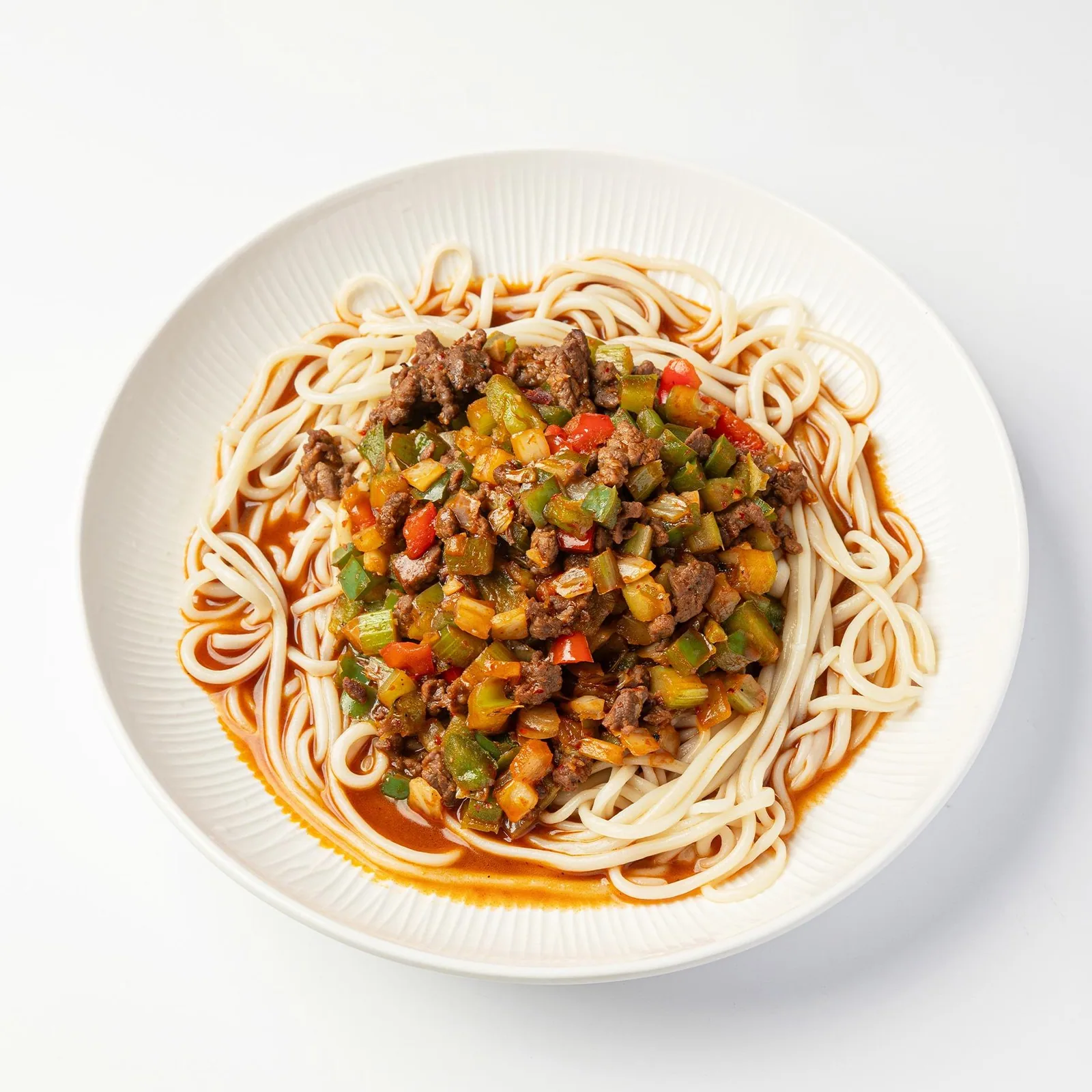
- Laghman — Hand-pulled noodles served with meat, vegetables, and a savory sauce. The noodles are made for a distinctive chewy texture and demonstrate the craftsmanship involved in Uyghur cooking. Laghman is among the best-known Uyghur dishes.
- Uyghur polo — Rice cooked with carrots, onions, seasoning, and meat, traditionally lamb. Polo is commonly served at family gatherings and important occasions. For me, it carries powerful memories of eating with my parents and siblings.
- Big Plate Chicken — A generous, shareable dish of seasoned chicken, vegetables, and hand-pulled flat noodles. It reflects the Uyghur tradition of placing a large dish at the center of the table for everyone to enjoy together.
- Manta — Steamed dumplings filled with seasoned meat and onions. We also prepare Kawa Manta with pumpkin.
- Samsa — Oven-baked pastries filled with seasoned meat and onions. They are comforting, familiar, and closely connected to everyday Uyghur food traditions.
- Lamb kebabs — Lamb seasoned with cumin and other spices, then grilled. The aroma of grilled lamb and cumin immediately reminds many Uyghurs living abroad of home.
We prepare our hand-pulled noodles, dumplings, sauces, stocks, and many other components with close attention to traditional methods. I remain personally involved in purchasing ingredients because freshness and consistency are extremely important to me.
Dolan Gül Chai
Dolan Gül Chai — or Dolan Floral Tea — is another product with special meaning for me. I developed the Dolan Gül Chai blend in the United States, drawing on my family's recipes, Uyghur tea traditions, and my background in pharmaceutical science.
Tea plays an important role in Uyghur hospitality. It is offered when guests arrive, served during conversations, and enjoyed alongside meals. I wanted to create a blend that preserved that tradition while having its own recognizable Dolan identity.
I experimented with the selection, proportions, aromas, colors, and balance of the ingredients until I developed the final Dolan recipe. The blend includes dried goji berries, red dates, rose buds, snow daisies, lavender, and chrysanthemum. It is made entirely from botanical ingredients and is caffeine-free.
Each ingredient contributes something different to the experience: floral aroma, natural color, gentle sweetness, or depth. The precise proportions are part of Dolan's own recipe. The result is a colorful, aromatic tea that can be enjoyed with a meal or served at home when welcoming family and guests.
Dolan Gül Chai became a customer favorite at the restaurants. We later made it available through Dolan Market so that customers could continue the Dolan tea experience at home. The packaged blend is currently offered through DolanMarket.com.
Challenges and milestones
My greatest challenge was rebuilding my life and identity from the beginning. I arrived without fluent English and without the business network I had spent years developing. I went from managing successful companies to driving for many hours each day simply to support my family.
When I purchased Dolan, my financial resources were very limited, the restaurant was losing money, and I had no formal restaurant background. I had to learn cooking, purchasing, staffing, customer service, regulations, marketing, and restaurant management almost simultaneously. I relied on hard work, careful observation, my previous business experience, and the support of the community.
The COVID-19 pandemic created another major challenge shortly after we began rebuilding the restaurant. Like many small and immigrant-owned businesses, we faced serious uncertainty. Nevertheless, Dolan remained involved with the community, including providing Uyghur meals to hospital workers and members of the military and National Guard.
Growing from one financially struggling restaurant into five DMV locations is a milestone that means a great deal to me. Every new location allows us to employ more people, welcome more families, and introduce more guests to Uyghur culture.
What Dolan means to me
Dolan Uyghur Restaurant represents the second chapter of my life. I came to America after leaving behind my medical career, businesses, relatives, language environment, and familiar way of life. I had to begin again, but I also gained the freedom to tell our story.
For me, success is not measured only by the number of restaurants we operate. Success means seeing a family share a plate of polo, watching someone try hand-pulled noodles for the first time, or hearing a customer say that our food inspired them to learn more about the Uyghur people.
Every dish we serve carries a piece of our history. Every cup of Dolan Gül Chai carries a family tradition. My hope is that guests leave Dolan remembering both the food and the culture behind it.
Thank you again for reading and sharing my story, and I would be honored to welcome you to Dolan Uyghur Restaurant.
Kind regards,
Hamid Kerim
Founder & Owner, Dolan Uyghur Restaurant